


Don't Forget

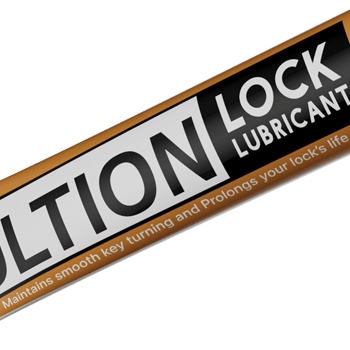
Stop key jamming with Ultion Lock Lubricant
Apply every 6 months to maintain guarantees
£12.95
Your cart is currently empty!

Replacing a door lock cylinder takes less than 5 minutes and requires only a screwdriver and tape measure. Whether you are upgrading your security, replacing a worn-out barrel, or moving into a new home where you cannot account for existing key copies, this guide covers everything you need to do it correctly.
It is also one of the most effective security upgrades you can make. Most burglaries in the UK involve forced entry through the front door, and a weak cylinder is often the point of failure.
The cylinder (also called a barrel or euro cylinder) is the part of your lock that accepts the key. When you turn your key, the cylinder operates the locking mechanism that secures your door.
On UPVC and composite doors, the cylinder works with a multi-point locking system. When you lift the handle and turn the key, the cylinder engages multiple locking points along the door frame.
Cylinders can be replaced independently of the rest of the lock, making this a cost-effective security upgrade.
You will need:
The retaining screw is usually included with your new cylinder.
Standard euro cylinders are vulnerable to snapping, a technique where burglars use tools to break the cylinder and access the locking mechanism. This attack takes seconds and requires minimal skill.
When choosing a replacement, look for a TS007 3-star rated cylinder. This rating confirms the cylinder has been independently tested against snapping, picking, drilling, and other common attack methods.
Many home insurance policies require locks that meet British Standard BS3621 or carry a TS007 3-star rating. If your cylinder does not meet these standards, your insurer may reduce or reject a claim following a break-in. Check your policy documents and upgrade if necessary.
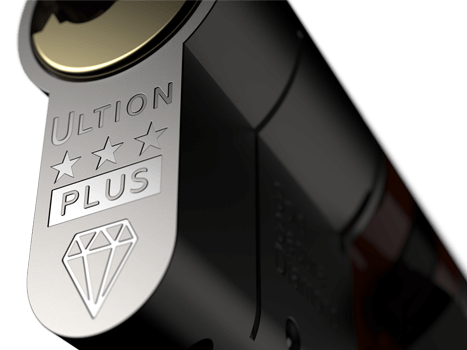
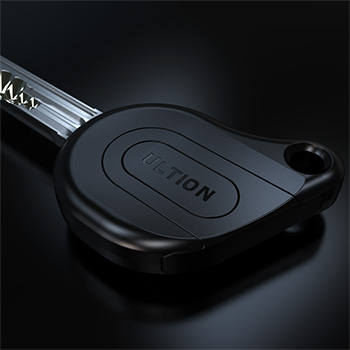
Ultion 3 Star PLUS exceeds these standards and includes a £5,000 security guarantee, activated once you register your lock. It is designed specifically to stop the attacks that defeat standard cylinders.
Accurate measurement is essential. A cylinder that is too short will not operate the lock properly. One that is too long will protrude past the handle, creating a security weakness.
Measure from the centre of the screw hole to each end of the cylinder. This gives you two figures, for example 35mm/35mm (equal on both sides) or 40mm/35mm (longer on one side).
The screw hole must align with the centre of your door’s thickness. If your measurements are unequal, you need an asymmetric cylinder to match.
Write down both measurements before ordering your replacement.
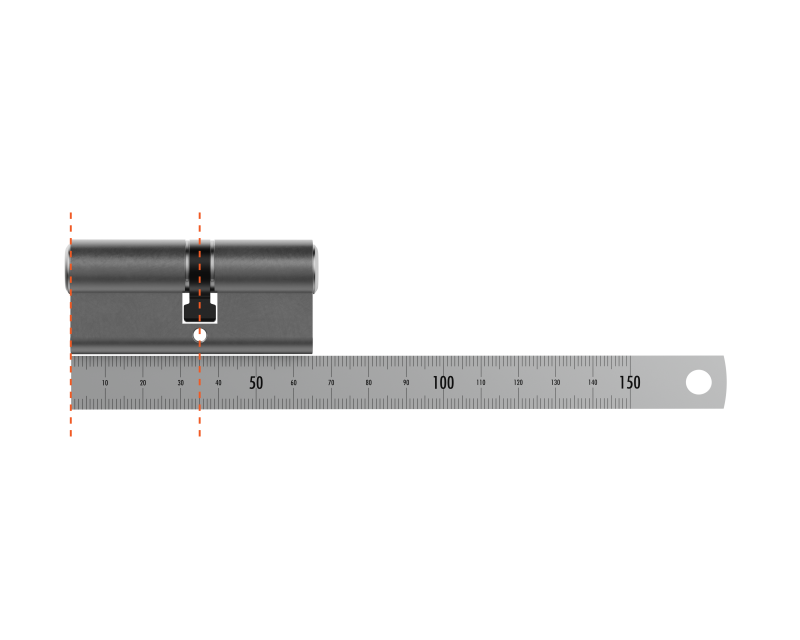
Open your door fully to access the edge where the retaining screw sits.
Locate the cylinder retaining screw on the door edge, aligned with the centre of the cylinder. Remove it completely and keep it safe.
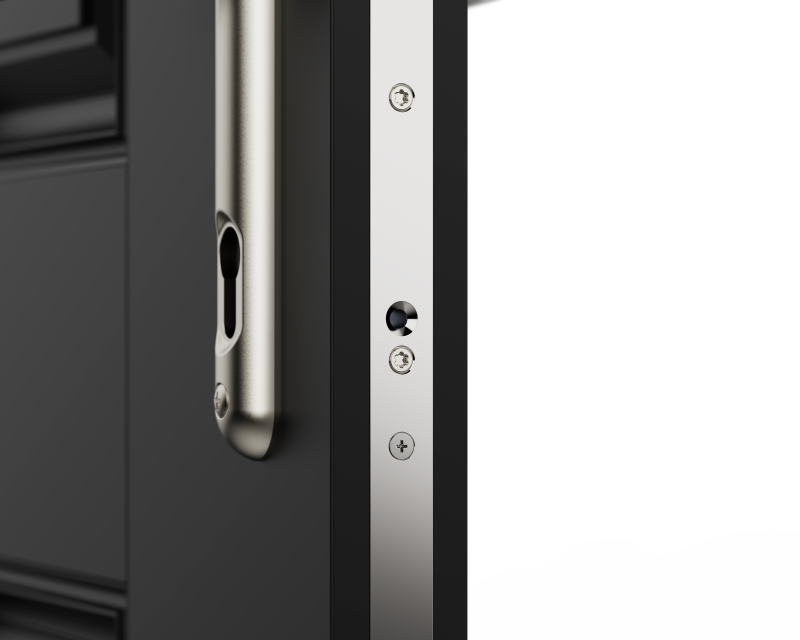
Insert your key into the cylinder and turn it slightly, around 10 to 20 degrees. This aligns the cam (the flat metal piece inside the lock) with the cylinder body, allowing it to slide out.
With the key held in this position, pull the cylinder towards you. It should slide out smoothly. If it resists, adjust the key position slightly rather than forcing it.
Insert your key into the new cylinder and turn it to the same position you used for removal. This aligns the cam for insertion.
Slide the cylinder into the door from the outside, keeping the key turned. It should move smoothly until it sits flush with the door face.
Turn the key back to the neutral position and remove it. The cam should now engage with the locking mechanism inside the door.
Insert the retaining screw through the door edge and tighten it securely. Firm is enough. Overtightening can distort the cylinder body and affect how the lock operates.
Test the lock with the door open first. Insert the key, turn it, and check that the mechanism moves freely. Then close the door and test it fully secured.
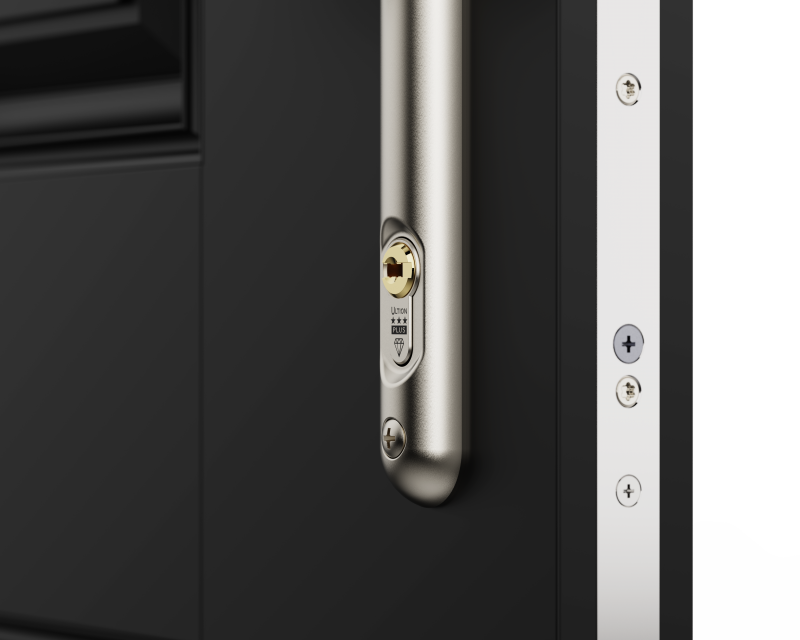
The cylinder will not slide out. The cam is not aligned correctly. Turn the key slightly in either direction until the cylinder moves freely. Never force it.
The new cylinder will not fit. Check your measurements. If the cylinder is slightly too long, it will not sit flush. If it is too short, the cam will not reach the lock mechanism. You may need to reorder.
The key turns but the lock does not engage. The cam may not be connecting with the internal mechanism. Remove the cylinder, check the cam is properly attached and oriented, and reinstall.
The door locks but will not unlock. The retaining screw may be too tight and pressing against the cylinder body. Loosen it slightly and test again.
Measuring overall length only. You need the centre-to-edge measurements on both sides, not just the total length.
Forgetting to align the cam. If the cam is not rotated into position, the cylinder will not slide in or out. Always turn the key first.
Overtightening the retaining screw. This damages the cylinder and makes the key harder to turn.
Buying on price alone. A cheap cylinder that snaps during a break-in attempt costs far more than a quality one fitted correctly the first time.
Skipping registration. Many high-security cylinders include guarantees that only activate once you register. Do not miss this step.
A well-maintained cylinder lasts longer and operates smoothly.
Lubricate annually using a specialist lock lubricant. Avoid WD-40, which attracts dirt and can gum up the mechanism. A small amount inside the keyway keeps the pins moving freely.
If your key becomes stiff to turn, address it early. This usually indicates dirt buildup or internal wear.
Inspect the cylinder face periodically for scratches or signs of tampering around the keyway.
Cylinder replacement is a straightforward DIY task for most homeowners. However, if your door has an unusual locking system, if the mechanism appears damaged beyond the cylinder itself, or if you are unsure about any part of the process, a professional locksmith can complete the job quickly.Replacing a worn or low-security cylinder is one of the simplest ways to improve your home security. Measure carefully, choose a cylinder with proven protection, and test thoroughly before relying on your new lock.
Ready to upgrade your door security? Explore the Ultion range of high-security cylinders designed to stop the attacks standard locks can’t.