


Don't Forget

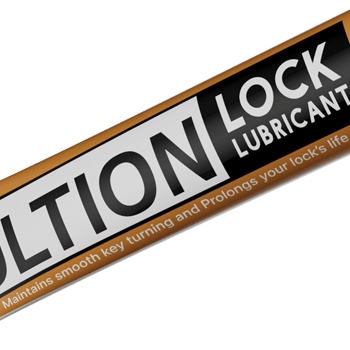
Stop key jamming with Ultion Lock Lubricant
Apply every 6 months to maintain guarantees
£12.95
Your cart is currently empty!

Blog > Anti-Snap Locks Explained: What They Are and How They Work
October 9, 2026
Lock snapping is one of the most common ways burglars get through a locked door without a key, a crowbar, or any real skill. If your front or back door has a standard euro cylinder lock fitted, it is worth five minutes to check whether it is protected against this.
This guide covers what anti-snap locks actually are, how they work, how to tell if you already have one, what the star ratings mean, and what to look for if you are upgrading.
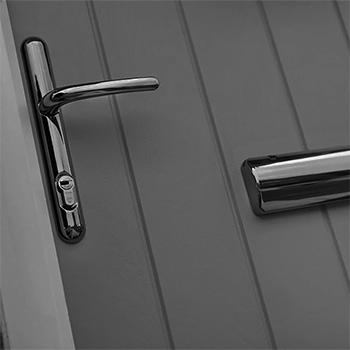
Most UK front and back doors, whether uPVC, composite or aluminium, use a euro cylinder lock. It is the round or oval barrel that sits in the middle of the handle, with the keyhole facing outward.
A standard euro cylinder has a weak point roughly where the two halves of the mechanism meet, level with the edge of the door. Lock snapping exploits that weak point. Using a pair of grips or a similar tool, someone can snap the cylinder in two and reach the internal mechanism directly, bypassing the lock without ever touching a key. It requires no lock-picking skill and can be done in seconds.
ONS analysis of the Crime Survey for England and Wales found that where a burglar entered a home, they came through a door around 70% of the time, against 30% through a window. Doors, and the locks fitted to them, are where most of the risk sits.
An anti-snap lock is built specifically to close off this weak point.
Anti-snap protection is about external doors fitted with a euro cylinder, which in practice means most uPVC, composite and aluminium front, back and side doors on UK homes built or replaced in the last few decades. If you can see a round or slightly oval barrel in the middle of the handle with a keyhole in the end, that is a euro cylinder.
Older timber doors with a traditional mortice lock work differently and are not vulnerable to snapping in the same way, though they have their own weaknesses worth checking separately.
An anti-snap lock is a euro cylinder designed so that if it is attacked with the snapping method, it fails in a way that keeps the door secure rather than opening it up.
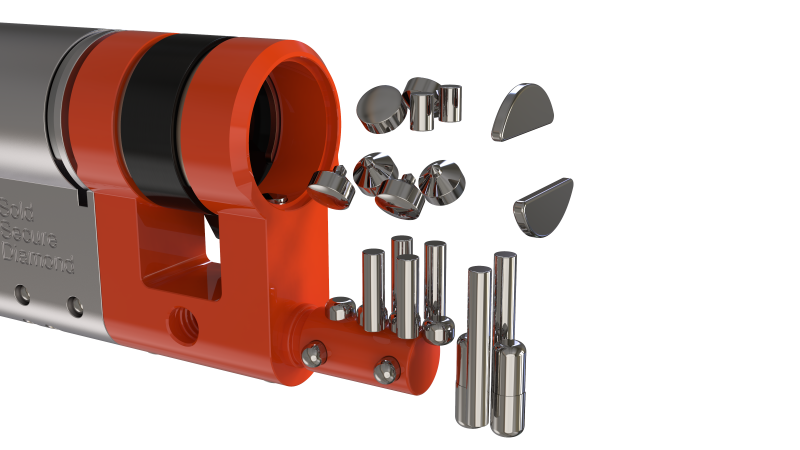
Anti-snap cylinders have a deliberate weak point, a snap line, built closer to the outer edge of the lock. If someone tries to snap it, the cylinder breaks at that point instead of at the join near the door edge. The outer section sacrifices itself, but the internal locking mechanism stays intact and the door stays locked.
Good anti-snap locks also build in resistance to the other common attack methods. Anti-pick pins are shaped irregularly so a pick cannot easily set them. Hardened anti-drill pins, often steel or a comparably dense material, stop a drill from getting through the cylinder to the mechanism behind it. A lock that only resists snapping but ignores picking and drilling is only doing part of the job.
There is a quick way to check without removing anything.
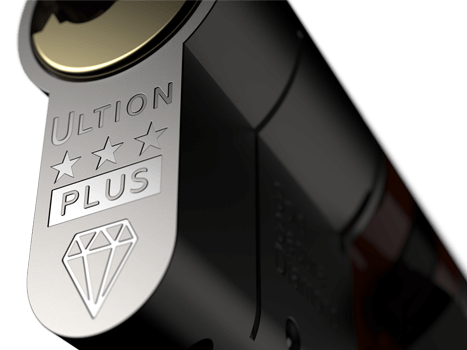
Check your euro cylinder for a stamped logo. You are looking for a 3-star TS007 British Kitemark or a Sold Secure Diamond (SS312) mark. If one of those is stamped there, your cylinder is independently certified against snapping. If the face is blank, or only shows a 1-star mark, treat it as unprotected until you know otherwise.
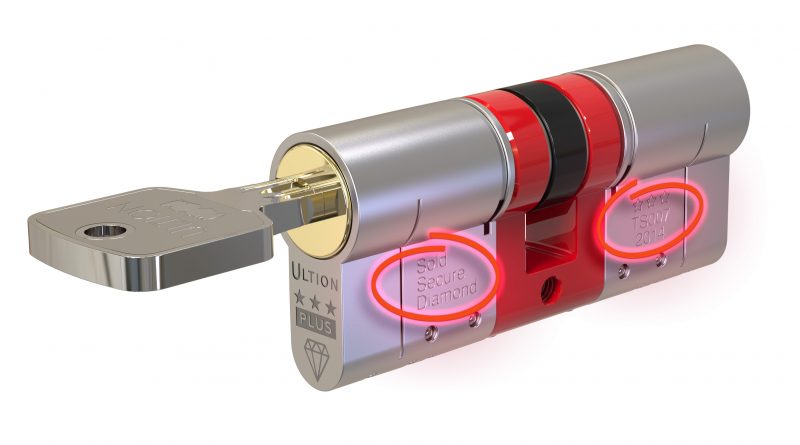
Two accreditation schemes cover anti-snap performance in the UK.
TS007 classifies cylinders and security door furniture (handles) separately by star rating. Cylinders can achieve one or three stars, and security hardware can achieve two stars. The overall security performance is the cumulative star rating of the two components fitted together, and the minimum needed to meet the standard is three stars combined.
A 1-star cylinder on its own does not offer snap protection. To reach the three-star minimum, it has to be paired with 2-star security hardware, or replaced with a 3-star cylinder, which meets the full standard by itself with no reliance on the hardware fitted alongside it.
In practice, a 1-star cylinder plus 2-star handles is a workaround, not the strongest option. It relies on two separate products being correctly matched and fitted together, and either one being wrong, or fitted incorrectly, leaves the door without proper protection. A single 3-star cylinder removes that dependency.
SS312 Diamond is a separate, independently tested standard covering snapping, picking, drilling and bumping. A cylinder can carry both a 3-star TS007 rating and Sold Secure Diamond approval, which is generally the strongest combination available for a domestic euro cylinder.
Weighed against the cost of a break-in, upgrading a cylinder is one of the cheaper pieces of home security you can buy. A euro cylinder swap is a low-cost job, often without needing to replace the whole handle or door mechanism, and in most cases does not need a locksmith to fit.
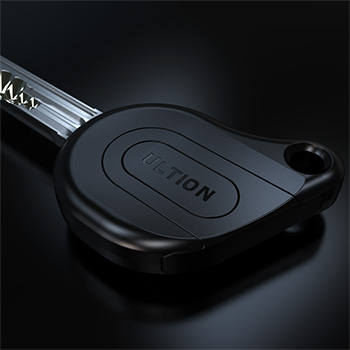
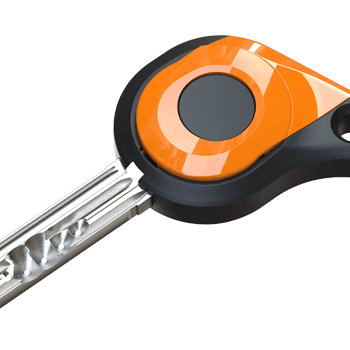
The real question is not whether anti-snap protection is worth having. It clearly is. It is whether the specific lock you buy backs up its claims. Plenty of cylinders are marketed as anti-snap without independent testing behind them. Ultion’s 3 Star PLUS lock carries TS007 3-star certification, Sold Secure Diamond approval, and Police Preferred Specification under Secured by Design, and it is backed by a £5,000 security guarantee against snap break-ins.
There is also an insurance angle worth a mention. Some insurers ask what security is fitted to external doors when you take out or renew home cover, and a genuinely tested lock can support that answer, and any claim that follows a break-in. Policy wording varies a lot between insurers, so check your own documents rather than assuming, but it is one more reason the certification on the box matters more than the word “anti-snap” printed next to it.
A few things separate a properly tested anti-snap lock from one that just uses the name.
Certification first. Look for TS007 3-star and, ideally, Sold Secure Diamond on the product itself, not just in the marketing copy. Fit matters too: even a good cylinder loses some of its advantage if it is left protruding past the handle, so get it measured and fitted flush.
Key control is easy to overlook. If anyone can get a copy of your key cut at a hardware counter, the lock’s resistance to physical attack is only solving half the problem. Ultion locks include KeyControl as standard, which restricts who can get a key duplicated.
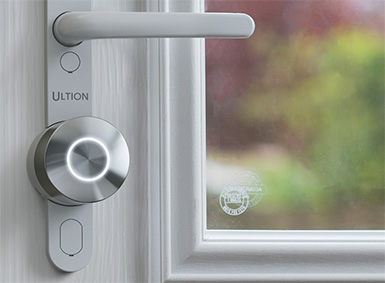
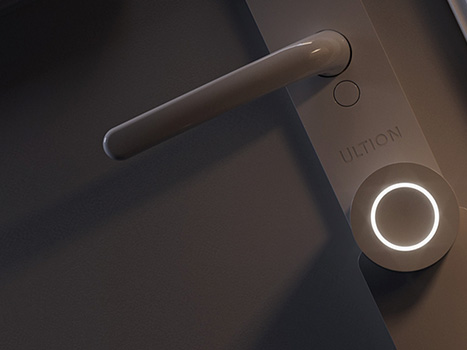
If you are considering a smart lock rather than a standard cylinder, check that the underlying mechanism still meets the same anti-snap standard. Ultion Nuki pairs smart access with the same 3-star anti-snap protection, rather than trading security for convenience.
What are anti-snap locks?
Euro cylinder locks built with a sacrificial weak point near the outer edge, so that if someone tries to snap the cylinder, it breaks in a place that keeps the door locked rather than opening it.
How much do anti-snap locks cost to fit?
The cylinder itself is a relatively low-cost purchase, and fitting is usually a straightforward swap that does not require a locksmith, provided the correct size is measured first.
Are anti-snap locks any good?
A properly certified one is. Look for TS007 3-star or Sold Secure Diamond accreditation on the product rather than taking “anti-snap” marketing at face value, since not every lock sold under that name has been independently tested to those standards.
What is the best anti-snap lock?
The strongest options combine TS007 3-star certification with Sold Secure Diamond approval, sit flush with the door handle when fitted, and are backed by a guarantee the manufacturer is willing to put money behind. Ultion’s 3 Star PLUS meets all three and comes with a £5,000 guarantee against snap break-ins.
Do I need a locksmith to fit an anti-snap lock?
Not usually. A euro cylinder is held in place by a single screw through the edge of the door, so swapping one out is a straightforward job with a screwdriver once you have measured the correct size. If your door also needs new handles or a full mechanism replacement, that is a bigger job and a locksmith or installer is worth bringing in.
How long does lock snapping actually take?
Once someone has the right grips on the cylinder, it can take seconds rather than minutes. That is precisely why the certification matters more than how sturdy a lock looks or feels by hand, since the vulnerability is not something you can judge by eye.
If you cannot remember the last time you looked closely at your front door lock, that is worth fixing this week rather than after something happens. Explore the Ultion 3 Star PLUS lock and register your £5,000 security guarantee once it is fitted.
Related reading: How to Replace a Cylinder Door Lock and What You Need to Know About Choosing a Secure Door Lock.
September 27, 2026
September 27, 2026